
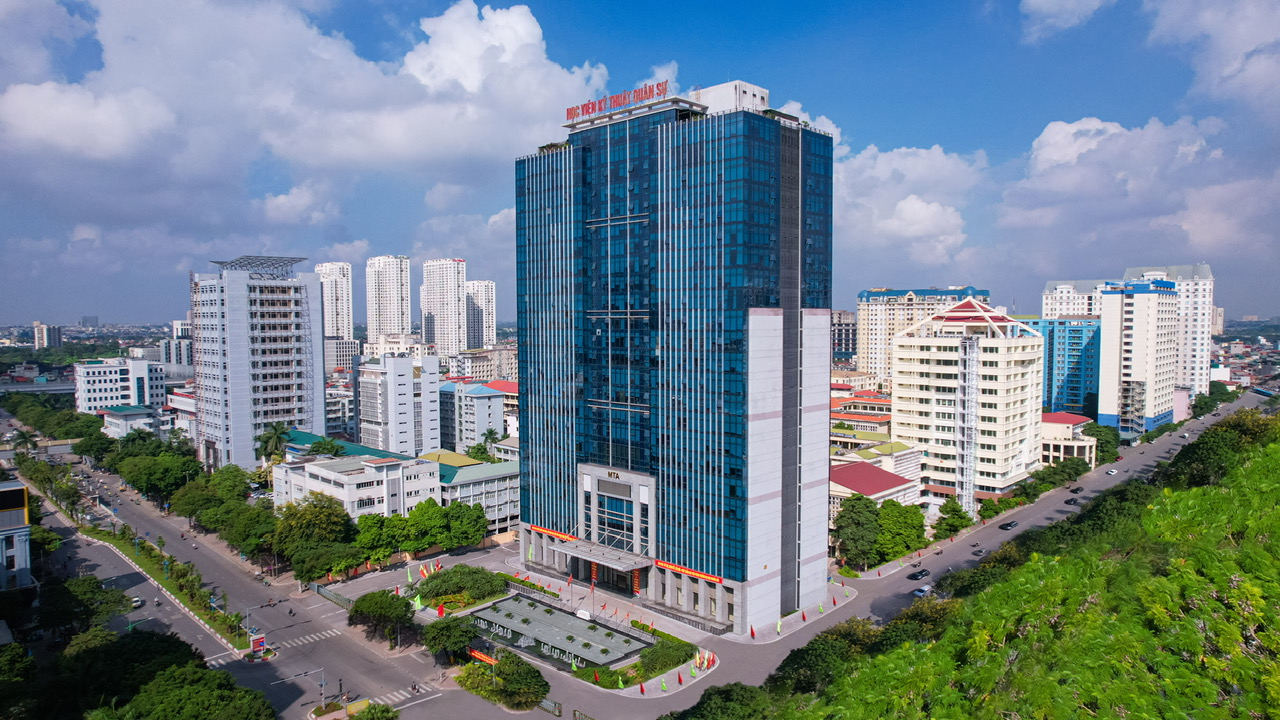
The 10th International Conference on Interactive Collaborative Robotics (ICR 2025) is dedicated to the 60th anniversary of the founding of Le Quy Don Technical University. The International Conference on Interactive Collaborative Robotics (ICR) was established as a satellite event of the International Conference on Speech and Computer (SPECOM) in 2016. The conference gathers together experts from different communities to discuss challenges of human and robot collaboration in industrial, social, medical, education and other areas. Fundamentals and means for collaborative behavior of one or multiple robots with physical interaction with people in operational environment equipped with embedded sensor networks and cloud services in conditions of uncertainty and environmental variability are the main issues of the conference. The accepted papers will be published in the proceedings of the Interactive Collaborative Robotics conference in English in the Lecture Notes in Artificial Intelligence book series published by Springer, indexed in EI-Compendex, SCOPUS (Q2) and Springerlink.


Vietnam Robotics Association (VRA)

Andrey Ronzhin, St. Petersburg Federal Research Center of the Russian Academy of Sciences (SPC RAS), St. Petersburg, Russia.
Roman Meshcheryakov, V.A. Trapeznikov Institute of Control Sciences of Russian Academy of Science, Moscow, Russia.
Plenary Speech 1: Fundamental Problems of Autonomous Functioning and Physical Interaction of Robot Groups.
Abstract: This article reviews key challenges and approaches in enhancing the autonomy of robotic systems across diverse environments. We focus on three fundamental problems: autonomous navigation in GPS-denied conditions, dexterous physical manipulation of objects, and collaborative control of heterogeneous robotic groups. For each area, we analyze current methods, including semantic scene analysis, optimized gripper design, and hybrid swarm-hierarchical control algorithms. The review covers robotic platforms for ground, aerial, surface, and underwater operations, concluding with an overview of systems developed at SPC RAS and ICS RAS for the intertwined challenges of navigation, manipulation, and collaboration is crucial for advancing the operational autonomy of robotic systems in unstructured environments.
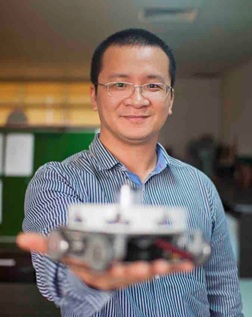
Trung Dung Ngo, University of Prince Edward Island, Charlottetown, Canada.
Plenary Speech 2: A Kangaroo-inspired Large-scale Swarm of Mobile Robots as the First Responder in Emergency - Hierarchical Distributed Control Approach.
Abstract: It is very risky for firefighters to search and rescue victims in fire-damaged buildings. The risks can be minimized if they know what is happening inside the building prior to carrying out their mission with the old-fashioned technology that they have used for the last 50 years. A Kangaroo-inspired large-scale multi-robot system consisting of a mothership and child robots will serve as a team of first responders in emergency. The heterogeneous swarm can be rapidly deployed and dispersed for exploration, coverage, and victim identification and a "life-path" generated by an ad-hoc network of mobile robots is maintained during rescue operation. I will present the hierarchical distributed control strategy consisting of distributed node control for connectivity maintenance and distributed connectivity control for connectivity minimization and global network integrity. Finally, I will demonstrate the viability of the concept of homogeneous and heterogenous swarm of mobile robots through simulation and real-world experiments.
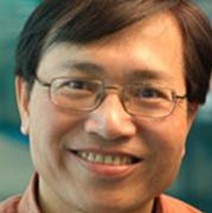
Quang Ha, University of Technology Sydney, Australia.
Plenary Speech 3: Robotics in Construction: advances, examples and what's next?
Abstract: The emergence of robotics and AI has been advancing fast and is considered as the future of the construction industry. Technologies including visualization and digital twin, additive manufacturing, robotic cooperation and deep learning will be manifesting to transform the civil and infrastructure sector, making tomorrow's construction safer, more efficient and more environmentally sustainable. Embracing robotic autonomous systems and AI-powered technologies will significantly enhance construction performance and safety, in such tasks like 3D-printing, demolition waste management, progress monitoring, inspection and maintenance. This talk will provide a brief overview of advances in construction robotics, introduce some typical examples and outline what's next for automation and robotics in construction.

Vladimir Filaretov, Institute of Automation and Control Processes FEB RAS, Vladivostok, Russia.
Aleksandr Zuev, Institute of Automation and Control Processes FEB RAS; M.D. Ageev Institute of Marine Technology Problems FEB RAS, Vladivostok, Russia.
Aleksandr Timoshenko, Institute of Automation and Control Processes FEB RAS; M.D. Ageev Institute of Marine Technology Problems FEB RAS, Vladivostok, Russia.
Igor Gornostaev Institute of Automation and Control Processes FEB RAS; M.D. Ageev Institute of Marine Technology Problems FEB RAS; Admiral Nevelskoy Maritime State University, Vladivostok, Russia
Yunli Nie College of Ocean Science and Engineering; Shandong University of Science and Technology, Qingdao, China.
Plenary Speech 4: A Method of Positional-Force Control of an Underwater Manipulator.
Abstract: The article is devoted to solving the problem of developing a method for constructing positional-force control systems for electric drives (ED) of multi-link underwater manipulators (UM) mounted on autonomous underwater vehicles operating in the mode of landing on the ground or on work sites. To solve this problem, a comprehensive method is proposed. First, for an ED of each degree of freedom of the UM, a self-adjusting correction device is constructed, which makes it possible to stabilize the variable dynamic parameters of this ED at a given nominal level. This stabilization compensates for the influence of Coulomb and viscous frictions, the interactions between the UM links and influence of a viscous medium, on the quality of control. Then, for each ED sliding observers are constructed, which make it possible to obtain information about the current values of the external torques, speeds and accelerations of rotation of the output shafts of all ED. Using this information and measurements of only position sensors of the specified ED, it is possible to construct position-force regulators for them that minimize the selected quadratic cost function. This minimization makes it possible to ensure not only the precise movement of the UM tool along specified spatial trajectories in the presence of significant impacts from the viscous medium, but also to create the required force effects on underwater work objects when performing various technological operations. The operability and effectiveness of the constructed positional-force control systems is confirmed by the results of computer modeling.
General Co-Chairs:
- Tran Xuan Nam, Le Quy Don Technical University (LQDTU), Viet Nam
- Andrey Ronzhin, St. Petersburg Federal Research Center of the Russian Academy of Sciences (SPC RAS), Russia
Steering Committee Members:
- Chu Anh My, Le Quy Don Technical University (LQDTU), Vietnam
- Nguyen Cong Dinh, Le Quy Don Technical University (LQDTU), Vietnam
- Nguyen Doan Phuoc, Hanoi University of Science and Technology, Vietnam
- Ho Dac Loc, Ho Chi Minh City University of Technology, Vietnam
- Hung La, University of Nevada, USA
- Khac Duc Do, Curtin University, Australia
- Quang Ha, University of Technology Sydney, Australia
- Nguyen Tang Cuong, Le Quy Don Technical University (LQDTU), Vietnam
- Trung Dung Ngo, University of Prince Edward Island, Canada
- Le Hung Lan, University of Transport and Communications (UTC), Vietnam
- Ho Anh Van, Japan Advanced Institute of Science and Technology, Japan
- Le Hoai Quoc, Saigon Hi-Tech Park, Vietnam
- Tran Trong Minh, Hanoi University of Science and Technology, Vietnam
- Nguyen Chi Ngon, Can Tho University, Vietnam
Program Committee Members:
- Roman Meshcheryakov, V.A. Trapeznikov Institute of Control Science of the Russian Academy of Sciences (ICS RAS), Russia (Co-Chair)
- Truong Xuan Tung, Le Quy Don Technical University (LQDTU), Vietnam (Co-Chair)
- Kamil Aida-zade, Institute of Control Systems (ICS), Ministry of Science and Education, Azerbaijan
- Fikret Aliev, Baku State University (BSU), Azerbaijan
- Ramiz Aliguliyev, Institute of Information Technology (ITT), Ministry of Science and Education, Azerbaijan
- Elchin Aliyev, Institute of Control Systems of the Azerbaijan National Academy of Sciences (ICS ANAS), Azerbaijan
- Rasim Alizade, Azerbaijan Technical University (AzTU), Azerbaijan
- Nguyen Phan Thuc Anh, Hanoi University of Science and Technology, Vietnam
- Marco Arteaga, National Autonomous University of Mexico (UNAM), Mexico
- Yasar Ayaz, National University of Sciences and Technology (NUST), Pakistan
- Hector Benitez, National Autonomous University of Mexico (UNAM), Mexico
- Duong Xuan Bien, Le Quy Don Technical University (LQDTU), Vietnam
- Branislav Borovac, University of Novi Sad (UNS), Serbia
- Nguyen Xuan Chiem, Le Quy Don Technical University (LQDTU), Vietnam
- Trinh Trong Chuong, Hanoi University of Industry, Vietnam
- Nguyen Cong Dinh, Le Quy Don Technical University (LQDTU), Vietnam
- Khac Duc Do, Curtin University, Australia
- Duong Minh Duc, Hanoi University of Science and Technology, Vietnam
- Pham Trung Dung, Le Quy Don Technical University (LQDTU), Vietnam
- Phung Manh Duong, Fulbright University Vietnam, Vietnam
- Ivan Ermolov, Ishlinsky Institute for Problems in Mechanics of the Russian Academy of Sciences (IPMech RAS), Russia
- Larry Escobar, National Autonomous University of Mexico (UNAM), Mexico
- Gerardo Espinosa, National Autonomous University of Mexico (UNAM), Mexico
- Oscar Fuentes, Tecnológico de Monterrey (ITESM), Mexico
- Eduardo Garcia, FESTO, Mexico
- Vagif Gasymov, Azerbaijan Technical University (AzTU), Azerbaijan
- Mehmet Guzey, Sivas University of Science and Technology (SBTU), Turkey
- Quang Ha, University of Technology Sydney, Australia
- Le My Ha, HCMC University of Technology and Education (HCMUTE), Vietnam
- Nguyen Thanh Hai, University of Transport and Communications (UTC), Vietnam
- Trinh Xuan Hiep, Le Quy Don Technical University (LQDTU), Vietnam
- Pham Duy Hung, VNU University of Engineering and Technology, Vietnam
- Juan Ibarra, Center for Research and Advanced Studies (CINVESTAV), Mexico
- Vagif Ibrahimov, Baku State University (BSU), Azerbaijan
- Ismayil Ismayilov, National Aviation Academy (NAA), Azerbaijan
- Kummert Johannes, Bielefeld University, Germany
- Dimitrios Kalles, Hellenic Open University (HOU), Greece
- Alexey Kashevnik, St. Petersburg Federal Research Center of the Russian Academy of Sciences (SPC RAS), Russia
- Phan Bui Khoi, Hanoi University of Science and Technology, Vietnam
- Vu Ngoc Kien, Thai Nguyen University of Technology (TNUT), Vietnam
- Anis Koubaa, Prince Sultan University (PSU), Saudi Arabia
- Hung La, University of Nevada, USA
- Ho Dac Loc, Ho Chi Minh City University of Technology, Vietnam
- Evgeni Magid, Kazan Federal University (KFU), Russia
- Ilshat Mamaev, Karlsruhe Institute of Technology (KIT), Germany
- Kamil Mansimov, Institute of Control Systems (ICS), Ministry of Science and Education, Azerbaijan
- Paul Maya, National Autonomous University of Mexico (UNAM), Mexico
- Tran Trong Minh, Hanoi University of Science and Technology, Vietnam
- Eduardo Morales, National Institute of Astrophysics, Optics and Electronics (INAOE), Mexico
- Marco Morales, Autonomous Technological Institute of Mexico (ITAM), Mexico
- Tang Quoc Nam, Le Quy Don Technical University (LQDTU), Vietnam
- Dao Phuong Nam, Hanoi University of Science and Technology, Vietnam
- Nguyen Hoai Nam, Hanoi University of Science and Technology, Vietnam
- Trung Dung Ngo, University of Prince Edward Island, Canada
- Geylani Panahov, Institute of Control Systems (ICS), Ministry of Science and Education, Azerbaijan
- Adalat Pashayev, Institute of Control Systems (ICS), Ministry of Science and Education, Azerbaijan
- Fahrad Pashayev, Institute of Control Systems (ICS), Ministry of Science and Education, Azerbaijan
- Nguyen Doan Phuoc, Hanoi University of Science and Technology, Vietnam
- Le Minh Phuong, HCMC University of Technology and Education (HCMUTE), Vietnam
- Luis Pineda, National Autonomous University of Mexico (UNAM), Mexico
- Viacheslav Pshikhopov, Southern Federal University (SFedU), Russia
- Nguyen Dinh Quan, Le Quy Don Technical University (LQDTU), Vietnam
- Mirko Rakovic, University of Novi Sad (UNS), Serbia
- Caleb Rascon, National Autonomous University of Mexico (UNAM), Mexico
- Carlos Rivera, National Autonomous University of Mexico (UNAM), Mexico
- Saul de la Rosa, National Autonomous University of Mexico (UNAM), Mexico
- David Rosenblueth, National Autonomous University of Mexico (UNAM), Mexico
- Ramin Rzayev, Institute of Control Systems (ICS), Ministry of Science and Education, Azerbaijan
- Elkhan Sabziyev, Institute of Control Systems (ICS), Ministry of Science and Education, Azerbaijan
- Aminagha Sadigov, Institute of Control Systems (ICS), Ministry of Science and Education, Azerbaijan
- Hooman Samani, University of Hertfordshire (UH), UK
- Yulia Sandamirskaya, Intel, Switzerland
- Eduardo Sandoval, National Autonomous University of Mexico (UNAM), Mexico
- Anton Saveliev, St. Petersburg Federal Research Center of the Russian Academy of Sciences (SPC RAS), Russia, Russia
- Shahnaz Shahbazova, Azerbaijan State University of Economics (UNEC), Azerbaijan
- Evgeny Shandarov, Tomsk State University of Control Systems and Radioelectronics (TUSUR), Russia
- Pavel Skvortsov, Mechanical Engineering Research Institute of the Russian Academy of Sciences (IMASH RAN), Russia
- Igor Smirnov, Federal Scientific Agroengineering Center VIM, Russia
- Nguyen Ngoc Son, Industrial University of Ho Chi Minh City (IUH), Vietnam
- Lev Stankevich, Peter the Great St. Petersburg Polytechnic University (SPbPU), Russia
- Enrique Sucar, National Institute of Astrophysics, Optics and Electronics (INAOE), Mexico
- Tran Duc-Tan, Phenikaa University, Vietnam
- Thai Mai Thanh, VinUniversity, Vietnam
- Pham Tuan Thanh, Le Quy Don Technical University (LQDTU), Vietnam
- Dao Quy Thinh, Hanoi University of Science and Technology, Vietnam
- Mac Thi Thoa, Hanoi University of Science and Technology, Vietnam
- Cao Huu Tinh, Le Quy Don Technical University (LQDTU), Vietnam
- Tran Huu Toan, Industrial University of Ho Chi Minh City, Vietnam
- Nguyen Van Truong, Hanoi University of Industry, Vietnam
- Nguyen Anh Tuan, Le Quy Don Technical University (LQDTU), Vietnam
- Nguyen Ngoc Tuan, Le Quy Don Technical University (LQDTU), Vietnam
- Ho Anh Van, Japan Advanced Institute of Science and Technology, Japan
- Hector Vargas, Popular Autonomous University of the State of Puebla (UPAEP), Mexico
- Hoang Van Xiem, VNU University of Engineering and Technology, Vietnam
- Sergey Yatsun, Southwest State University (SWSU), Russia
- Alena Zakharova, V.A. Trapeznikov Institute of Control Science of the Russian Academy of Sciences (ICS RAS), Russia
Organizing Committee Members:
- Cao Huu Tinh, LQDTU, Vietnam (Co-Chair)
- Nguyen Manh Hung, LQDTU, Vietnam (Co-Chair)
- Tran Van Tuyen, LQDTU, Vietnam (Co-Chair)
- Alyona Viktorova, SPC RAS, Russia (Co-Chair)
- Alexandr Smerchansky, SPC RAS, Russia
- Bui Van Tien, LQDTU, Vietnam
- Dmitriy Levonevskiy, SPC RAS, Russia
- Hoang Son, Posts and Telecommunications Institute of Technology, Vietnam
- Irina Podnozova, SPC RAS, Russia
- Khoa Nguyen Dang, International School, VNU, Vietnam
- Le Duc Tiep, LQDTU, Vietnam
- Le Tran Thang, Institute of Automation, Vietnam
- Luong Thi Thanh Ha, LQDTU, Vietnam
- Mai Ngoc Anh, Le Quy Don Technical University, Vietnam
- Natalia Dormidontova, SPC RAS, Russia
- Ngo Manh Tien, Vietnam Academy of Science and Technology, Vietnam
- Ngo Viet Cuong, LQDTU, Vietnam
- Ngo Xuan Cuong, Hue University, Vietnam
- Nguyen Chanh Nghiem, Can Tho University, Vietnam
- Nguyen Danh Huy, Hanoi University of Science and Technology, Vietnam
- Nguyen Quang Vinh, Institute of Automation, Vietnam
- Nguyen Tan Tien, Ho Chi Minh City University of Technology, Vietnam
- Nguyen Trong Thang, Phenikaa University, Vietnam
- Nguyen Trong Tuyen, LQDTU, Vietnam
- Nguyen Tung Lam, Hanoi University of Science and Technology, Vietnam
- Nguyen Van Tiem, University of Transport and Communications (UTC), Vietnam
- Pham Van Thiem, Phenikaa University, Vietnam
- Pham Viet Phuong, Hanoi University of Science and Technology, Vietnam
- Pham Xuan Thuy, LQDTU, Vietnam
- To Xuan Dinh, LQDTU, Vietnam
- Tran Cong Tan, LQDTU, Vietnam
- Trinh Luong Mien, University of Transport and Communications (UTC), Vietnam
- Vo Thanh Ha, University of Transport and Communications (UTC), Vietnam
- Vu Duc Quyen, LQDTU, Vietnam
- Vu Xuan Duc, LQDTU, Vietnam
Authors should submit for review a paper in DOCM format in English with a volume of 12-15 pages, formatted in the Springer style and containing the following sections:
- abstract (180-200 words)
- keywords (at least 5 words and phrases)
- introduction
- the main part
- conclusion
- acknowledgements (if necessary)
- references
Accepted papers must be personally presented at the conference by the authors in the form of an oral or poster report.
No more than two papers are allowed from one author.
For online participants registration fee is 150 US$. It covers only the cost of a pre-press preparation of the paper for publication in the Springer.
For full-time participants:
- For international participants the registration fee is 400 US$. For accompany person of full-time participants the registration fee is 200 US$.
- For Vietnamese participants the registration fee is 200 US$.
- For Vietnamese students, PhD students the registration fee is 100 US$.
The fee covers the cost of a pre-press preparation of the paper for publication in the Springer, participant's package, catering, cultural services, tax.
Participation in the video conference is free of charge.
Payment for the conference can be made on the day of registration at the event venue, but you must indicate this in advance.
The accepted papers will be published in the proceedings of the Interactive Collaborative Robotics conference in English in the Lecture Notes in Artificial Intelligence book series published by Springer, indexed in SCOPUS (Q2) and Springerlink.
Proceedings of the X International Conference on Interactive Collaborative Robotics (ICR 2025), Hanoi, Viet Nam, November 10-13, 2025: Part I, Part II.
Proceedings from previous ICR conferences are available on the SpringerLink website.